Author: denkfabrik.academy
-
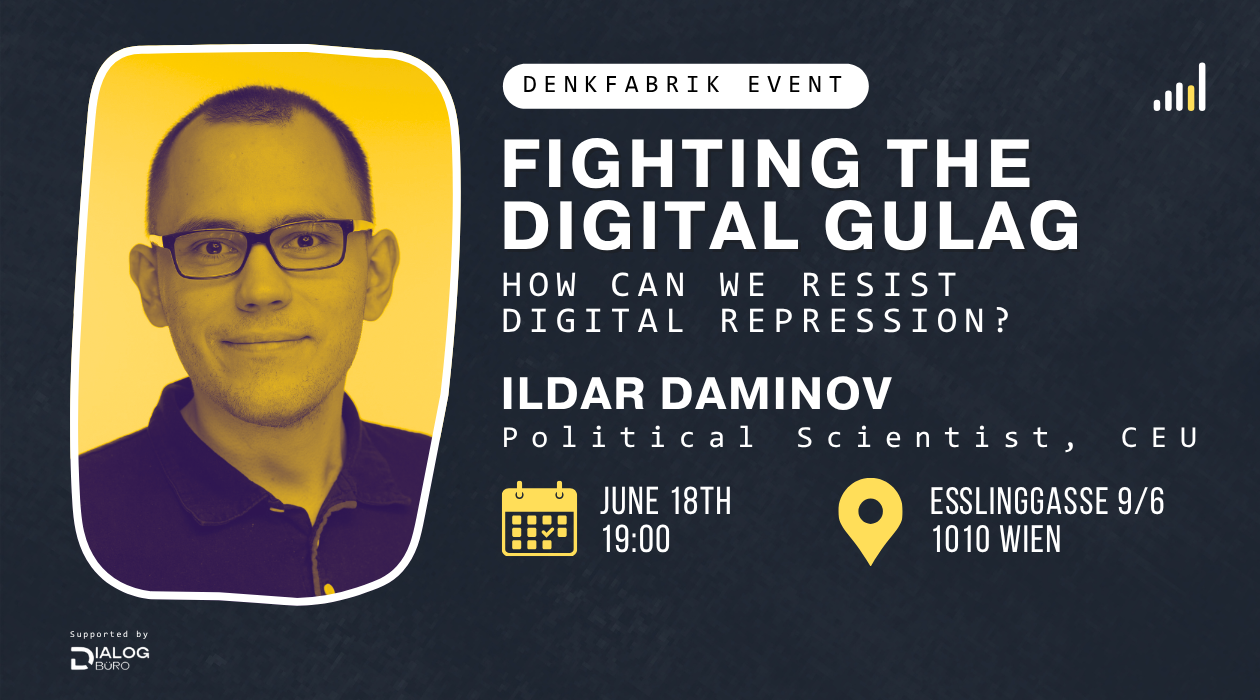
Once hailed as the ultimate “democratizing force,” the internet has undergone a dark transformation. Today, the digital landscape is increasingly dominated by state-sponsored surveillance, sophisticated censorship, and the relentless spread of propaganda. For many living under modern autocracies, the dream of an open web has been replaced by the reality of a “Digital Gulag.”How did we…
-
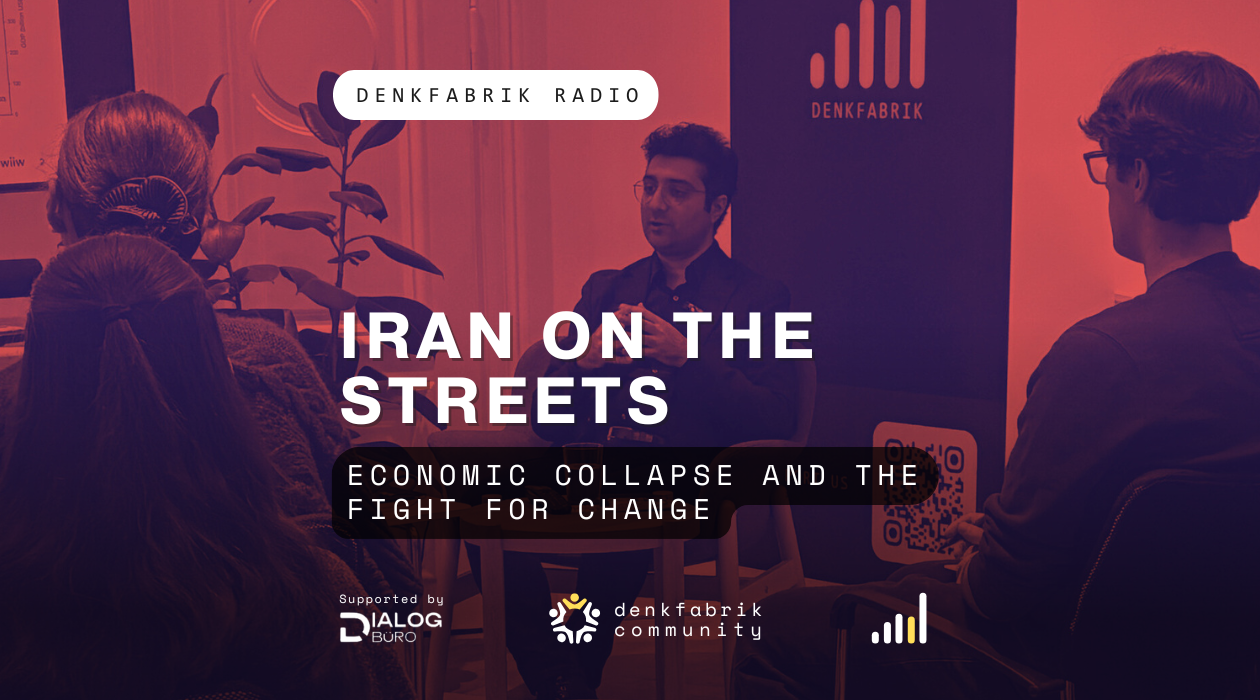
Across Iran, a powerful wave of anti-government protests is making headlines. Driven by soaring prices, a collapsing currency, lack of social freedom, and deep political frustration, people are taking to the streets in record numbers. While some see this as the beginning of the end for the current regime, the state has met the movement…
-
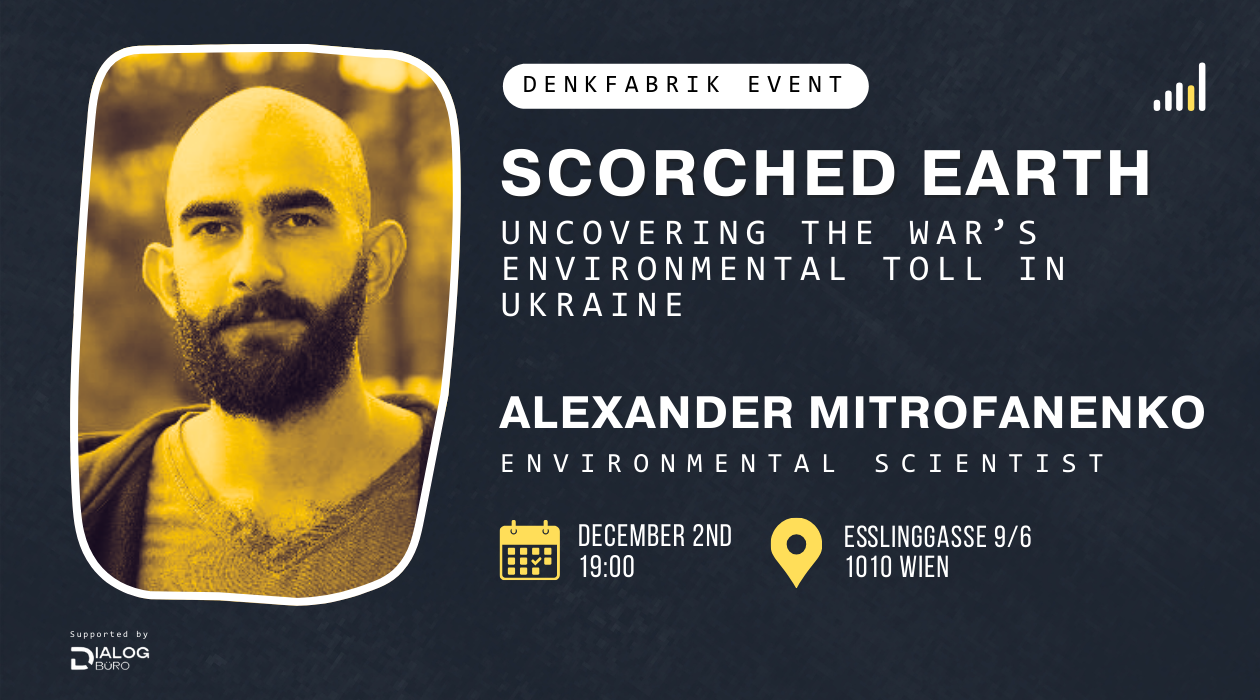
Armed conflict is inherently destructive. Beyond the immediate human suffering, war leaves behind a toxic legacy: it devastates ecosystems, endangers human health, and threatens long-term recovery. What does international experience tell us on the lasting impact of war on environment and what can Ukraine learn from it to overcome it?
-
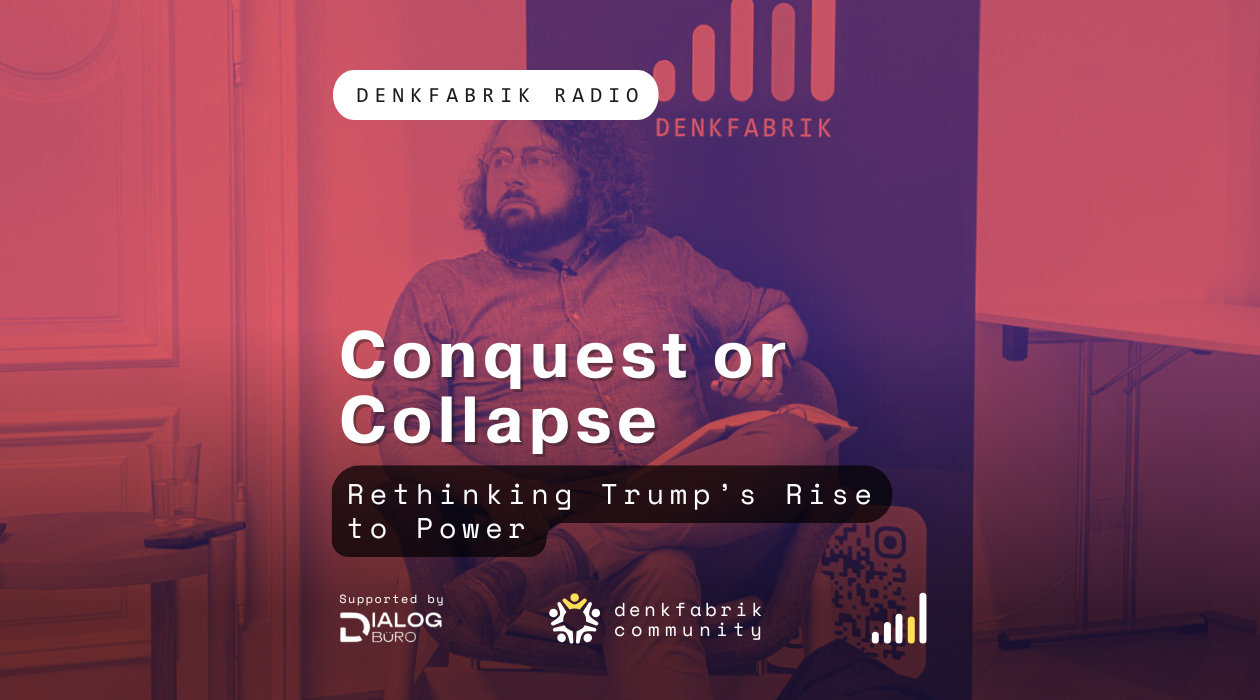
In 2010, the Republican Party in the US stood for free markets, constitutional governance, and the transatlantic alliance. A decade later, it had changed beyond recognition following Trump’s rise to power. How did the Republican Party transform from a mainstream political force into a personalized movement centered around Donald Trump? To guide us through this…
-
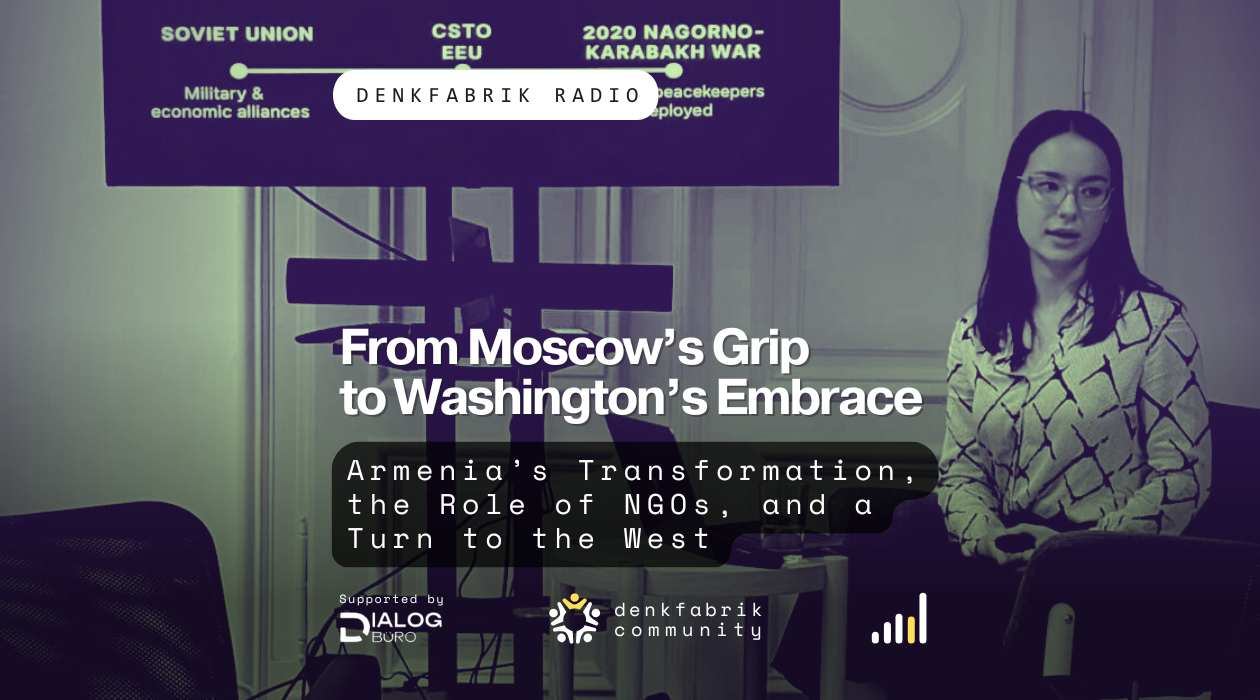
After years of dependence on Russia as its main security guarantor, Armenia is entering a new and uncertain chapter. The peace deal with Azerbaijan has reopened old wounds while forcing the country to rethink its alliances. For many Armenians, the idea of looking West is no longer abstract but a matter of survival and political…
-
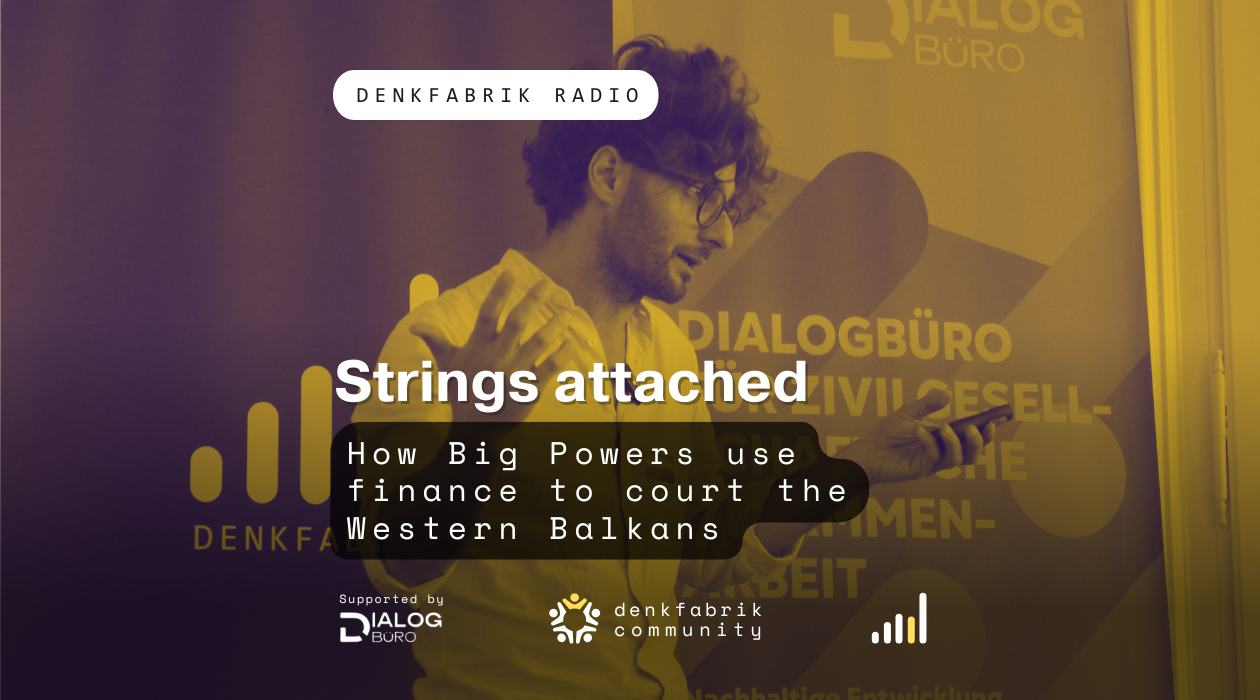
In recent years, the Western Balkans have found themselves caught at the center of a geoeconomic rivalry. The EU, China, Russia, and the United States all use their financial power to advance in the region by giving loans, grants, and buying strategic assets. What do these financial flows reveal about the economic game of influence…
-
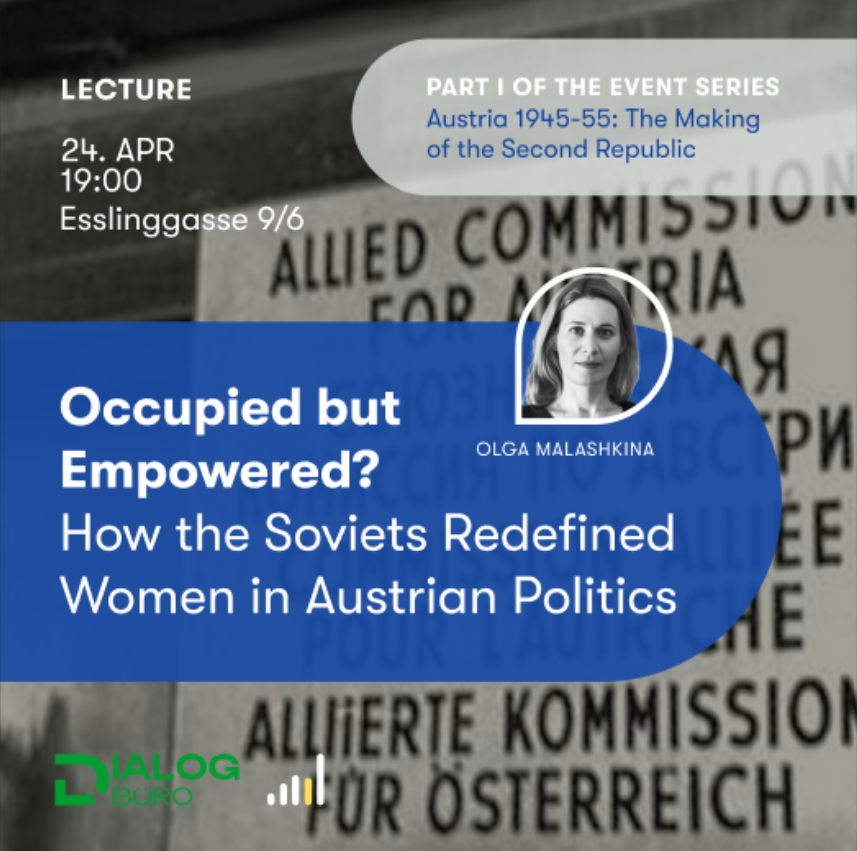
April 1945. Europe, covered in blood and rubble, tries to rebuild itself. Among them Austria – a divided nation, occupied by the Allies. With the country trying to reestablish a republic, women’s votes suddenly become important for political parties. So much that the Soviet Union tried to exploit the feminist agenda to gain influence. How…
-
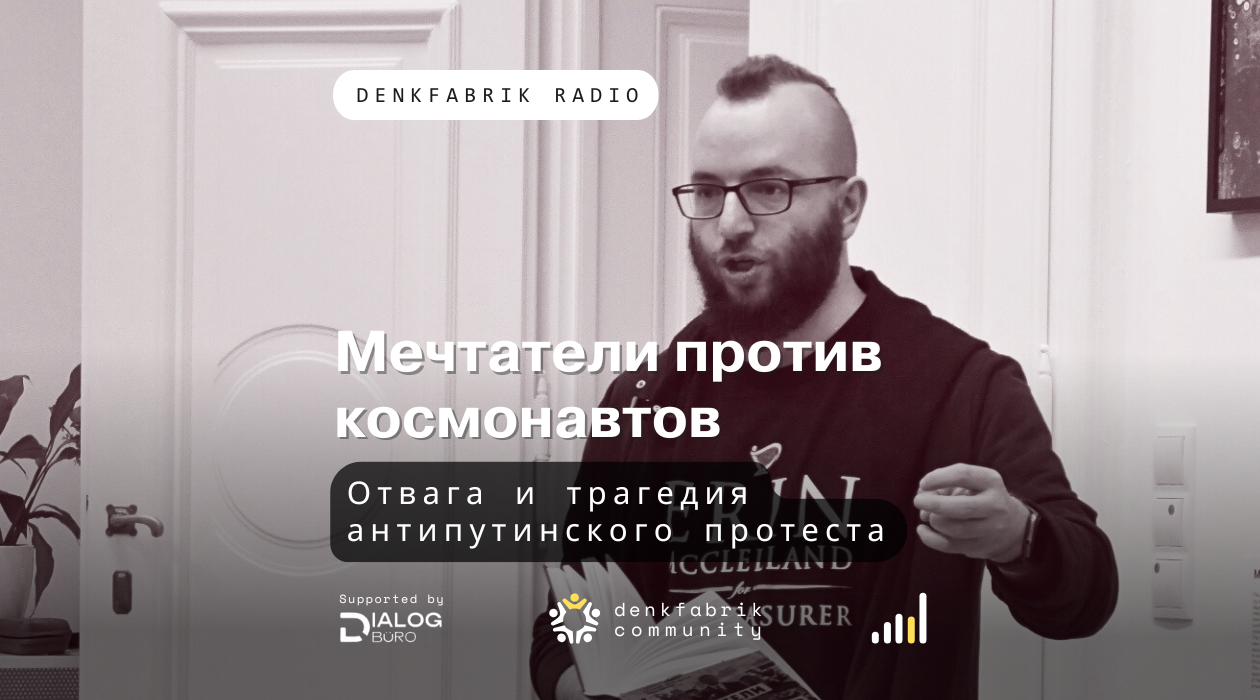
В новом эпизоде подкаста denkfabrik мы пригласили Евгения Фельдмана: фотографа и журналиста, автора проекта «Это Навальный» и ведущего ютуб-канала об американской политике. Евгений запечатлел на своих снимках ключевые моменты России, Украины и Беларуси 10-х годов: митинги на Болотной, противостояние на Майдане, война на Донбассе, протесты в Минске. Всё это он рассказывает в своей книге “Мечтатели…
-
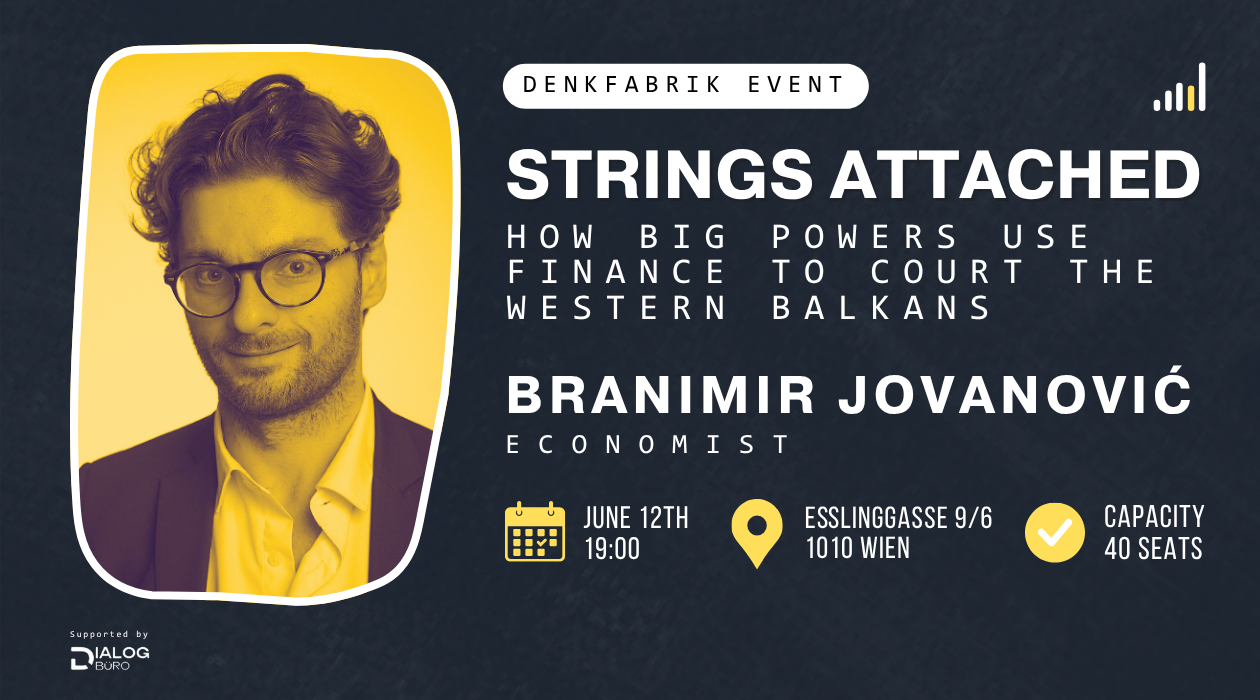
In recent years, the Western Balkans have found themselves at the center of a strategic contest between the EU, China, Russia, and the US. Much of that contest happens behind the closed doors through grants, loans, and investment funding. What do financial flows reveal about the economic game of influence played by the Great Powers?…
-
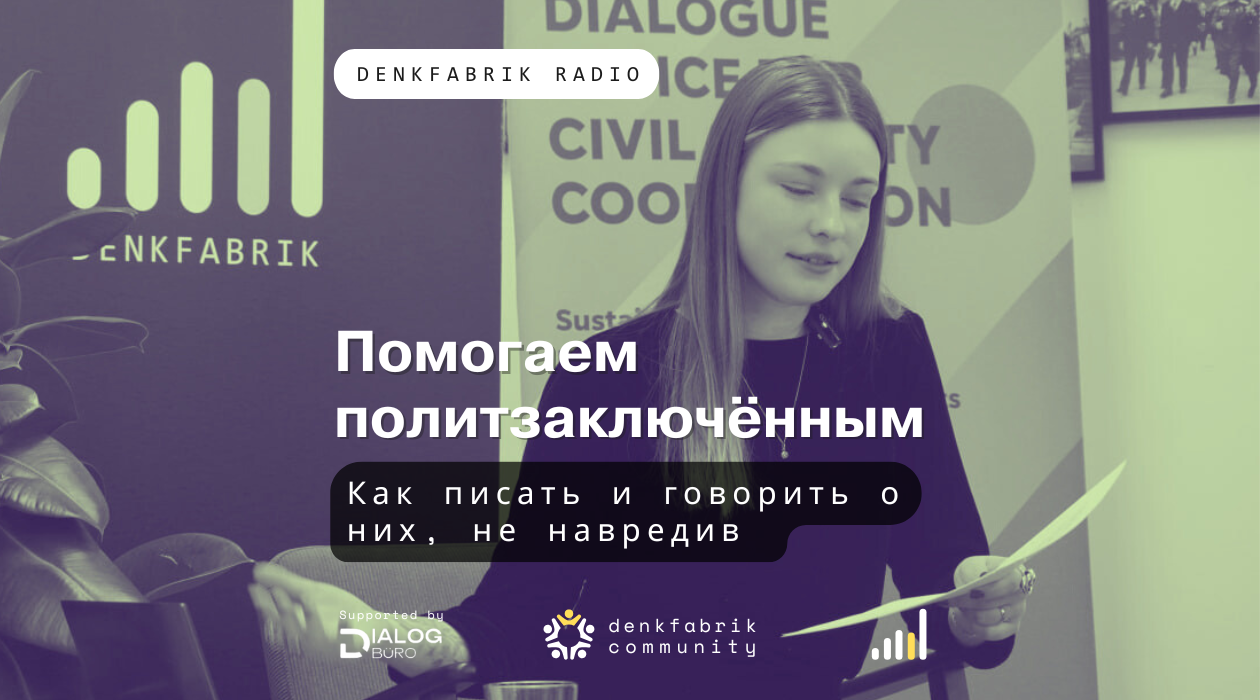
В новом эпизоде подкаста denkfabrik мы пригласили Ксению Миронову, журналистку и основательницу проекта помощи близким политзаключённых. Она делится своим опытом поддержки людей, пострадавших от репрессий и рассказываются с какими трудностями сталкиваются семьи заключённых. Слушайте новый выпуск и читайте на транскрипт на английском и русском языках в посте.